Skip to content
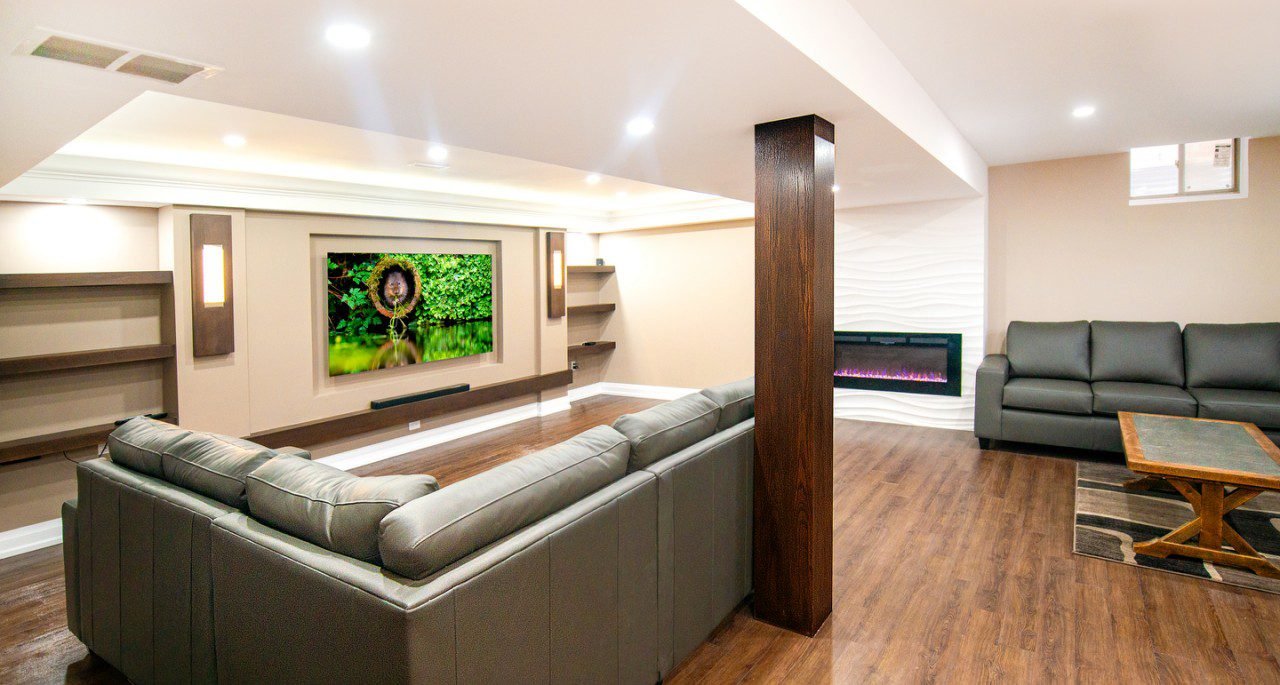
Imagine stepping into your own private oasis, a cinematic escape where every explosion rumbles perfectly, every whisper is crystal clear, and the outside world fades away. This dream is entirely achievable with meticulous basement soundproofing Edmonton. For homeowners in Edmonton looking to transform their basement into the ultimate home theater, managing acoustics is paramount. Without proper sound insulation, your thrilling movie nights could disturb the rest of the household or even your neighbours, while external noises could diminish your immersive experience. This guide will delve deep into the essential techniques, materials, and expert advice needed to create a truly sound-isolated entertainment space right in your basement.
The Imperative for Superior Basement Soundproofing in Edmonton Homes
Edmonton homes, much like any other, benefit immensely from well-executed soundproofing, especially in a dedicated home theater. The primary goal is twofold: keeping the sound in and keeping unwanted sound out. High-fidelity audio systems produce powerful sound waves that can easily travel through conventional building materials. Without specialized basement soundproofing Edmonton, these sound waves will leak into adjacent rooms, causing annoyance and disrupting other activities. Conversely, common household noises—footsteps from upstairs, laundry machines, even traffic outside—can infiltrate your home theater, breaking the spell of your favourite film or game. A properly soundproofed basement not only enhances your entertainment experience but also contributes to overall home comfort and harmony.
Beyond the immediate benefits of an undisturbed cinematic experience, investing in professional basement soundproofing in Edmonton adds significant value to your property. It transforms your basement from a mere storage space or extra room into a highly functional, premium entertainment zone, a feature increasingly sought after by potential buyers. It also allows for greater flexibility in using your home, enabling simultaneous activities without sonic conflict.
Demystifying Acoustics: The Core Principles of Effective Soundproofing
Achieving effective basement soundproofing Edmonton relies on understanding fundamental acoustic principles. Sound travels as vibrations through the air and solids. To block or absorb these vibrations, we employ four key strategies:
1. Mass: Your First Line of Defense Against Noise
Simply put, more mass equals more sound blockage. Heavier, denser materials are harder for sound waves to vibrate through. This is why concrete walls offer better sound insulation than thin drywall. When planning your basement soundproofing Edmonton project, think about adding layers of dense materials.
2. Decoupling: Breaking the Path of Vibration
Decoupling involves physically separating structures so that vibrations cannot easily transfer from one surface to another. If two walls are connected directly, sound vibrating one wall will transfer directly to the other. Decoupling might involve building a “room within a room” or using resilient channels and clips to isolate drywall from framing.
3. Damping: Turning Sound Energy into Heat
Damping materials convert sound energy into a tiny amount of heat, effectively reducing vibrations. Products like Green Glue damping compound are specifically designed to be applied between layers of drywall, significantly improving sound isolation by reducing the resonant frequency of the assembly.
4. Sealing: Eliminating Airborne Sound Leaks
Sound, like water, will always find the easiest path. Even the smallest gaps, cracks, or openings can undermine all other soundproofing efforts. Sealing involves meticulously filling these gaps with acoustic caulk, weatherstripping, and solid core doors to create an airtight barrier. This is critical for preventing airborne sound from escaping or entering your dedicated home theater space.
Comprehensive Techniques and Materials for Basement Soundproofing Edmonton
Applying these principles translates into specific techniques and material choices for different parts of your basement. A holistic approach considering walls, ceilings, floors, doors, and windows is essential for truly effective basement soundproofing Edmonton.
Walls: Building a Solid Acoustic Barrier
Your basement walls are critical for sound containment. Standard drywall isn’t sufficient for a serious home theater. Here’s how to reinforce them:
- Double Drywall with Damping Compound: This is a highly effective strategy. Install two layers of drywall with a specialized viscoelastic damping compound (like Green Glue) sandwiched between them. The compound converts sound energy into heat, significantly reducing sound transmission.
- Acoustic Insulation: Fill wall cavities with dense, fibrous insulation such as mineral wool or Roxul. Unlike standard fiberglass, these materials have higher density and better sound absorption properties, reducing sound resonance within the wall cavity.
- Resilient Channels or Clips: These metal channels or clips create a gap between the drywall and the studs, decoupling the wall surface from the frame. This prevents sound vibrations from directly transferring through the studs, dramatically improving sound isolation.
- Staggered Stud or Double Stud Walls: For the ultimate in sound isolation, consider building a second set of studs alongside the existing ones, creating a complete air gap between them. This creates a highly effective decoupled wall assembly.
- Mass Loaded Vinyl (MLV): A heavy, flexible barrier that adds significant mass without taking up much space. It can be stapled to studs before drywall is installed, or even behind existing drywall for an upgrade.
Ceilings: Preventing Upward Sound Leakage and Downward Intrusion
The basement ceiling is often a weak point, allowing theater sound to travel upstairs and household noise to filter down. Effective ceiling soundproofing is crucial for home theaters in Edmonton:
- Resilient Sound Clips and Hat Channels: Similar to walls, these systems decouple the ceiling drywall from the joists, breaking the path of vibration. This is one of the most effective strategies for ceiling soundproofing.
- Double Drywall with Damping Compound: Again, two layers of drywall with a damping compound between them applied to the ceiling offers substantial sound blockage.
- Acoustic Insulation: Fill the joist cavities with dense mineral wool or acoustic insulation. This absorbs airborne sound before it can travel through the ceiling structure.
- Mass Loaded Vinyl: Can be draped over joists or installed below the subfloor above to add mass to the ceiling assembly.
- Acoustic Ceiling Tiles: While typically used in drop ceilings, specialized acoustic tiles can absorb reflections within the room and offer some sound blocking if properly installed in a sealed grid.
Floors: Minimizing Impact Noise and Adding Mass
While the primary concern for basement home theaters is containing sound, mitigating impact noise from above can also enhance the experience. For floors *within* the theater, you want to prevent sound from reflecting too much, and from escaping if there’s a lower level (unlikely in a basement, but good to note for future applications).
- Acoustic Underlayment: If installing hard flooring like laminate or engineered wood, an acoustic underlayment made of rubber or cork can reduce impact noise transmission and improve sound absorption.
- Thick Carpet and Pad: Carpet with a dense, thick underpad is excellent for absorbing sound reflections within the room and also offers some sound isolation.
- Floating Floors: For extreme sound isolation, a floating floor can be constructed, where the subfloor is built on rubber isolators or pucks, completely decoupled from the main concrete slab.
Doors & Windows: Sealing the Weakest Links
Even the most perfectly soundproofed walls and ceilings are useless if sound can easily leak through doors and windows. These are often the biggest culprits for sound transmission:
- Solid Core Doors: Replace hollow core doors with solid core versions. The added mass significantly improves sound blocking.
- Acoustic Seals and Sweeps: Install high-quality perimeter seals (gaskets) around the door frame and an automatic door sweep at the bottom. These create an airtight seal when the door is closed.
- Window Plugs/Secondary Glazing: If your basement home theater has windows, consider installing thick, removable window plugs made of dense materials, or even a secondary acoustic window inside the existing one to create an insulating air gap.
HVAC, Electrical & Plumbing: Addressing Flanking Paths
Don’t overlook the penetrations in your walls and ceilings for utilities. These can act as direct pathways for sound:
- Ductwork: Install flexible duct silencers or line ductwork with acoustic insulation near the theater room. Ensure ducts are not rigidly connected to the room’s soundproofed shell.
- Electrical Outlets & Switches: Use acoustic putty pads behind electrical boxes and seal around them with acoustic caulk. Consider staggered or offset electrical boxes to avoid direct sound paths through walls.
- Plumbing Pipes: Wrap noisy pipes with mass loaded vinyl or specialized acoustic insulation to dampen vibrations and reduce water flow noise.
DIY vs. Professional Basement Soundproofing in Edmonton: Making the Right Choice
While the principles of soundproofing can be understood, their effective implementation often requires specialized knowledge and experience. For a truly professional-grade home theater experience, partnering with experts in basement soundproofing Edmonton is often the most reliable path.
The DIY Path: Potential Savings, Significant Challenges
Attempting a full basement soundproofing project yourself might seem like a way to save costs. However, soundproofing is complex. A single oversight, like an unsealed gap or an improperly installed resilient channel, can compromise the entire system. DIY projects often lead to:
- Suboptimal Results: Without expertise, it’s easy to make mistakes that leave your theater less soundproofed than desired.
- Wasted Time and Money: Incorrect material choices or installation can lead to costly rework and delays.
- Frustration: The intricate nature of identifying and addressing all sound transmission paths can be incredibly frustrating for those without experience.
Partnering with ArtEdge for Expert Basement Soundproofing Edmonton
ArtEdge specializes in creating exceptional living spaces, and that includes mastering the acoustics of your dedicated home theater. When you choose us for your basement soundproofing Edmonton project, you benefit from:
- Specialized Expertise: Our team understands the nuances of sound transmission and attenuation, ensuring the correct application of materials and techniques.
- Guaranteed Performance: We provide solutions that deliver the promised level of sound isolation, tailored to your specific needs and budget.
- Efficiency and Quality: With professional tools and experienced installers, your soundproofing project will be completed efficiently, to the highest standards.
- Seamless Integration: We can integrate your soundproofing needs into a larger basement development Edmonton project, ensuring all elements work together harmoniously. This also applies to affordable basement renovation Edmonton options where soundproofing is a key component.
Integrating Soundproofing with Your Full Basement Renovation Project
The ideal time to implement robust basement soundproofing Edmonton is during the initial stages of a home renovation services Edmonton project. This allows for accessible installation of insulation, resilient channels, and other structural modifications before drywall and finishes are applied. ArtEdge excels at comprehensive basement transformations, ensuring that soundproofing is not an afterthought but a core component of your dream home theater from day one. Our services extend beyond mere construction; we focus on creating functional, beautiful, and acoustically optimized spaces that truly enhance your home life.
By planning soundproofing alongside other aspects of your basement renovation to maximize space, you can achieve a superior result that is both cost-effective and aesthetically pleasing. For example, selecting the right door type or planning for an insulated bulkhead around ductwork becomes much simpler when addressed at the design phase. We aim to help you make the most of your basement’s potential. Curious about our past projects? Take a look at our gallery to see the quality we deliver.
Cost Considerations for Basement Soundproofing Edmonton
The cost of basement soundproofing Edmonton can vary significantly based on the level of isolation desired, the size of the basement, and the materials chosen. While specific figures require a professional assessment, here’s a general breakdown:
- Basic Sound Control: Focusing on insulation and sealing can be relatively affordable.
- Moderate Soundproofing: Incorporates double drywall, damping compound, and resilient channels. This offers a significant improvement.
- High-Performance Soundproofing: Involves decoupled walls, floating floors, acoustic doors, and meticulous sealing, providing near-studio-level isolation but at a higher investment.
It’s crucial to view soundproofing as an investment in your home’s comfort, functionality, and value. The long-term benefits of an undisturbed home theater and a peaceful living environment often outweigh the initial costs. For a precise quote tailored to your Edmonton property, it’s always best to consult with an experienced renovation company like ArtEdge. Researching building materials and techniques can give you a basic understanding, but expert advice is invaluable.
Comparison: Common Soundproofing Wall Assemblies
To illustrate the effectiveness of different approaches, here’s a comparison of common wall soundproofing assemblies for your basement home theater.
| Method | Description | STC Rating (Approx.) | Effectiveness | Relative Cost |
|---|---|---|---|---|
| Standard Wall | Single layer drywall each side, wood studs, no insulation. | 33-35 | Very Low (basic privacy) | Low |
| Standard Wall + Insulation | Single layer drywall each side, wood studs, fibreglass/mineral wool insulation. | 38-42 | Moderate (reduces echo, some sound blockage) | Medium |
| Double Drywall + Damping | Two layers drywall with damping compound (e.g., Green Glue) each side, insulation. | 50-55 | High (significantly blocks loud speech, music) | High |
| Resilient Channels + Double Drywall + Damping | Resilient channels, two layers drywall with damping compound each side, insulation. | 55-60+ | Very High (near complete isolation for most sounds) | Very High |
| Staggered Stud / Double Wall | Completely separate stud walls, insulation, double drywall + damping. | 60+ | Extreme (studio-grade isolation) | Premium |
*STC (Sound Transmission Class) is a rating of how well a building partition attenuates airborne sound. Higher numbers indicate better sound isolation.
Frequently Asked Questions About Basement Soundproofing Edmonton
How much does basement soundproofing cost in Edmonton?
The cost varies widely based on the size of the area, the desired level of sound isolation, and the materials/techniques chosen. Basic solutions might start in the low thousands, while high-performance, comprehensive soundproofing for a dedicated home theater can range significantly higher. A professional quote from ArtEdge is the best way to get an accurate estimate for your specific project.
Can I soundproof an existing finished basement?
Yes, it’s possible, but more challenging and potentially more expensive than soundproofing during initial construction or a full renovation. It often involves opening up walls and ceilings, adding materials, and then refinishing. While not ideal, significant improvements can still be made, especially for floors and doors.
What are the best materials for basement soundproofing Edmonton?
The “best” materials are often used in combination. Key materials include dense acoustic insulation (mineral wool), mass loaded vinyl (MLV), resilient channels and clips for decoupling, acoustic damping compounds (like Green Glue) between drywall layers, and solid core doors with perimeter seals. The optimal combination depends on the specific sound frequencies you’re targeting and your budget.
Does insulation really help with soundproofing?
Yes, but its role is often misunderstood. Insulation primarily helps by absorbing sound waves *within* a wall or ceiling cavity, preventing reverberation and improving the overall sound transmission class (STC) rating of the assembly. It’s most effective when combined with mass, damping, and decoupling techniques, rather than being a standalone sound blocker.
How long does a basement soundproofing project take?
The timeline for basement soundproofing Edmonton depends on the scope of work. A minor upgrade might take a few days, while a comprehensive, high-performance soundproofing project integrated into a full basement renovation can add several weeks to the overall project duration. ArtEdge provides detailed project timelines at the consultation stage.
Ready to Experience Unrivaled Sound in Your Edmonton Home Theater?
Transforming your basement into an acoustically perfect home theater requires expertise, precision, and the right materials. Don’t let unwanted noise compromise your entertainment experience or disturb your home. Investing in professional basement soundproofing Edmonton ensures that your dream home theater delivers truly immersive sound, without compromise.
At ArtEdge, we specialize in delivering exceptional basement renovations and soundproofing solutions across Edmonton. Our team is dedicated to bringing your vision to life, crafting spaces that are not only beautiful but also perfectly functional. Ready to discuss your ultimate home theater project or simply curious about what our home renovation experts can achieve? Contact us today for a consultation, and let’s start building your cinematic sanctuary.